
About UGP

About the University of Global Peace

A Theravāda Buddhist institution committed to wisdom, compassion and peace — for local and international students alike.

Patron Sayadaw Dr. Bhaddanta Jotika Mathera, Founder of UGP
Founder

Founder's Biography

Meet Patron Sayadaw Dr. Bhaddanta Jotika Mathera — a monk, scholar and visionary whose lifelong dedication to Pariyatti study, community service and compassionate leadership gave rise to the University of Global Peace.

Ordained at nineteen, awarded multiple Dhammacariya degrees, and honoured internationally as a Messenger of World Peace, the Founder's story is one of quiet determination transforming a monastic teaching centre of twelve novices into a fully accredited university.

Read biography →
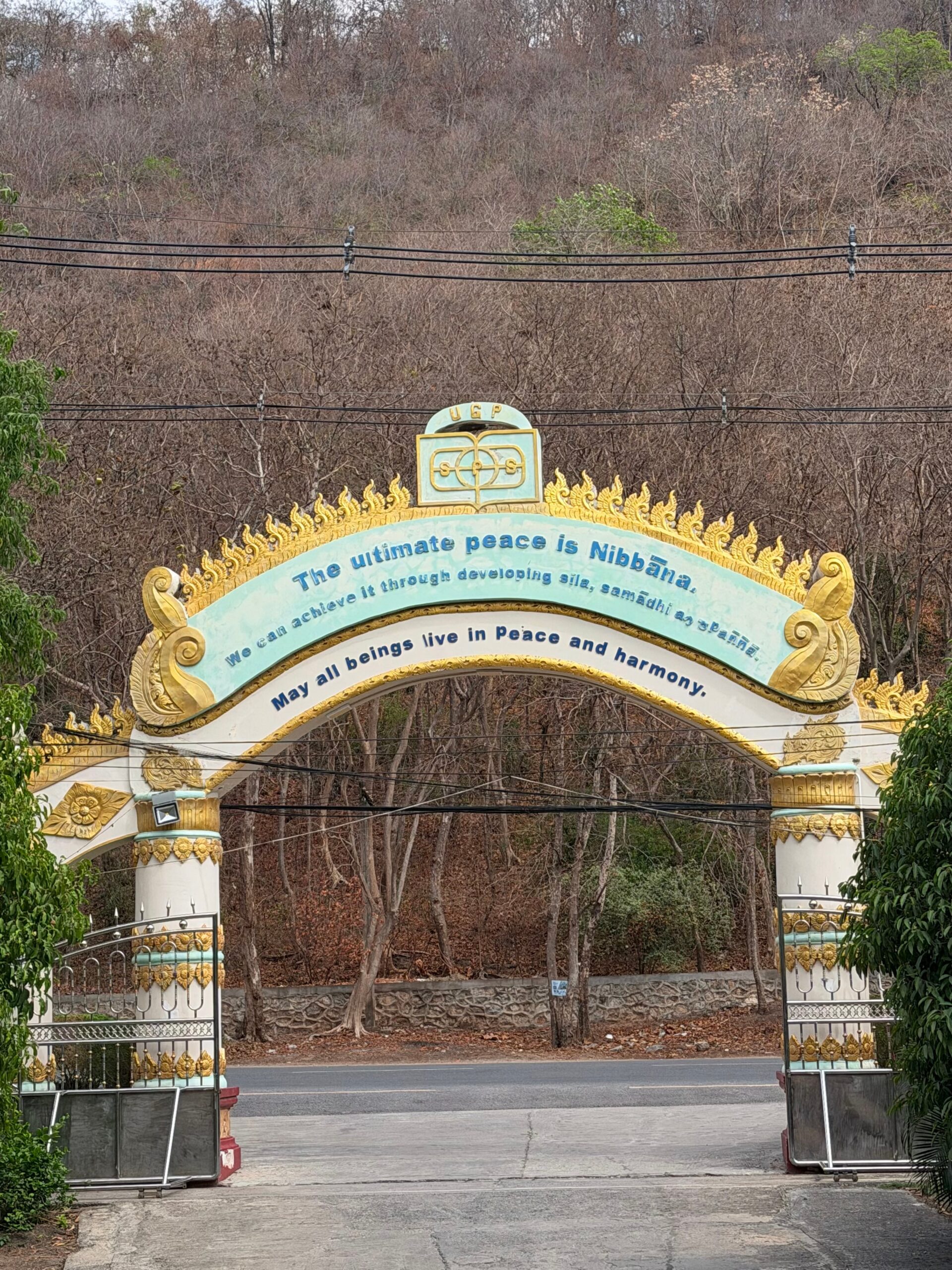
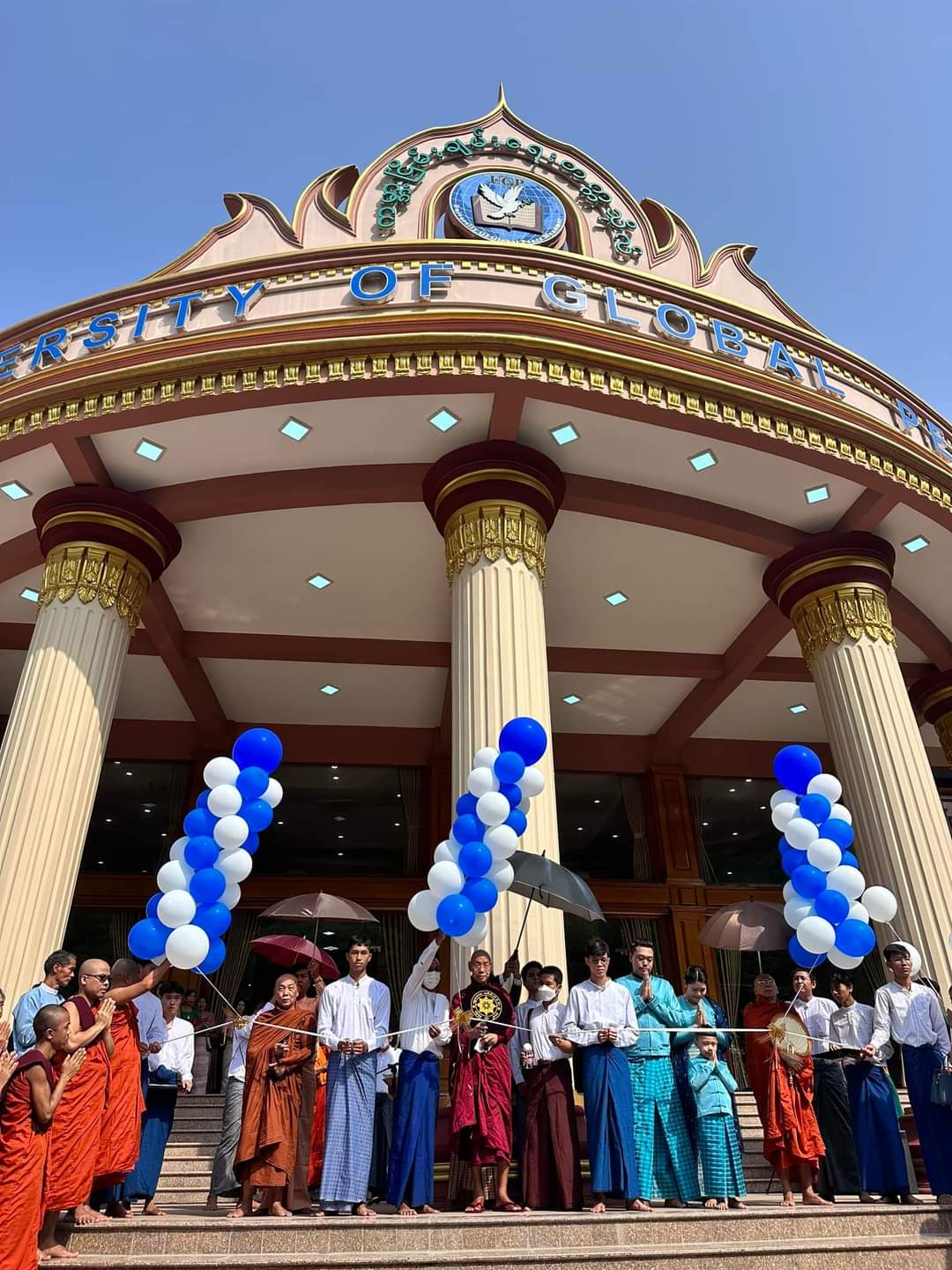
University of Global Peace campus on Yankin Hill
Vision & Mission

Vision and Mission

UGP's vision is to create an authentic and peaceful environment through which all global citizens may attain true peace. By teaching and applying Theravāda Buddhist principles at university level, UGP nurtures Mettā (Loving-kindness), Karuṇā (Compassion), Muditā (Sympathetic Joy) and Upekkha (Equanimity) in every student.

The mission is clear: to produce peace ambassadors, Buddhist scholars and social leaders who carry the Dhamma from inner peace outward into the world — beginning with themselves, their families and their communities.

Read vision & mission →
UGP main campus building, Yankin Hill, Mandalay
History

History of UGP

The University of Global Peace traces its roots to a World Peace College founded at U Yin Monastery in 2015 under the guidance of senior Sayadaws. Over three years the college taught more than 200 students in Suttanta, Abhidhamma and English before advancing to university level in 2018.

Today, on a six-acre campus of seventeen purpose-built buildings on Yankin Hill, Mandalay — brought to life through the generosity of countless donors — UGP stands as a symbol of resilience, scholarship and an unbreakable commitment to peace.

Read our history →